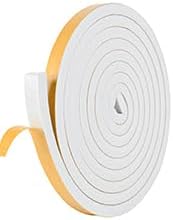
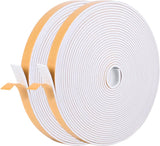
Kikerike Foam Weatherstrip – Flame-Retardant Door Seal for Child-Safe and Pet-Friendly Homes
Kikerike Foam Weatherstrip – Flame-Retardant Door Seal for Child-Safe and Pet-Friendly Homes
Couldn't load pickup availability
Why you'll love it
- Strong adhesive backing holds firm without nails or screws, making it a true no-tool DIY install
- High-density CR foam resists deformation over time, unlike cheap open-cell tapes that flatten and fail
- Customizable length and shape — cut with scissors to fit any gap exactly
- Wide temperature tolerance from -50°C to 150°C means it works in garages, cars, and exterior doors
- One roll solves many problems (sound, drafts, vibration, cushioning) instead of buying separate products
- Flame-retardant and corrosion-resistant material adds safety and longevity over rubber alternatives
Perfect for
- Sealing door and window gaps to block drafts, dust, and noise
- Weatherstripping entryways before winter or summer to lower energy bills
- Dampening vibration and rattling in car doors, trunks, and speaker cabinets
- Insulating electrical cabinets and enclosures from moisture and debris
- Cushioning drawer edges, tool grips, and sports equipment contact points
Frequently Asked Questions
Is the foam flame-retardant for use near electrical panels and outlets?
Yes. The foam is made from a flame-retardant neoprene compound, which adds a layer of safety when used around electrical cabinets, outlets, and low-voltage enclosures.
Is the adhesive safe around children and pets who might touch it?
Once cured, the adhesive is sealed beneath the foam and not exposed to casual contact. The foam itself is non-toxic and does not off-gas, making it safe for homes with kids and pets.
Does it produce any smell or fumes that could affect indoor air quality?
The closed-cell foam is low-odor and does not release fumes once installed. It is a safer choice than rubber gaskets that can leave a strong chemical smell in enclosed rooms.
Can I use it on a door that is also a fire-rated barrier?
It can be applied to standard residential doors. For certified fire-rated commercial doors, check with the door manufacturer first, since adding sealants can affect certification status.
Will it help reduce the risk of pests entering through gaps in the door?
Yes. By sealing the gaps, it closes off the entry points that insects and small rodents use to get inside, which is a key safety benefit for households with allergy sufferers.
Does it hold up in the high heat of an attic hatch or furnace room?
The foam is rated for continuous use from -50°C to 150°C, so it tolerates attic temperatures and warm utility spaces without melting or breaking down.
Is it safer to install than nails and screws around a baby’s room?
Yes. The peel-and-stick install means there are no protruding nails, sharp edges, or loose hardware that could pose a hazard in a nursery.
Can I leave it on year-round without it becoming a fire risk?
The flame-retardant material is rated for continuous, long-term use. Many buyers leave it in place through every season without any change in safety profile.
How does this compare to spray foam insulation for sealing gaps?
Spray foam expands into gaps but is messy, permanent, and can release fumes during application. This tape is cleaner, removable, and gives you precise control over where the seal is placed, which is safer for DIY use.
Is it safer than silicone caulk around areas that get hot?
Silicone can off-gas acetic acid and degrade at high temperatures. The flame-retardant neoprene foam stays stable in heat and is generally considered a safer option around warm appliances and machinery.
Will it help prevent drafts that carry outdoor allergens into the home?
Yes. Sealing the gaps around doors and windows reduces the amount of outdoor air, pollen, and dust that enters the home, which supports better air quality for sensitive household members.
Does it resist oil and chemicals in a garage or workshop setting?
The neoprene material is oil- and corrosion-resistant, so it holds up in garages and workshops where it may be exposed to mild solvents and lubricants.
Is it safe to use on a car interior where passengers sit?
Yes. The foam is commonly used for automotive door and trunk seals, and once applied it is inert and safe in the passenger cabin.
What happens if a child pulls at the foam after it is installed?
The adhesive is strong enough to stay in place under normal contact, and the foam is soft and flexible. If a strip is pulled off, it will not splinter or break into sharp pieces.
Can it help with moisture that causes mold around window frames?
Yes. By sealing the gaps where humid outside air enters, you reduce the moisture cycles that lead to condensation and mold growth on interior window sills.
Is it safe to use in a kitchen where there is occasional heat exposure?
It is rated for temperatures well above normal kitchen heat exposure, so it is safe for use around kitchen windows and doors as long as it is not placed directly on a heat source like a stovetop or oven exterior.
How do I install the foam tape on a door or window?
Clean the surface with rubbing alcohol and let it dry completely. Measure the gap, cut the strip to length with scissors, peel off the backing, and press the foam firmly into place along the frame. Apply pressure for about 30 seconds to fully activate the adhesive.
How do I prepare the surface so the adhesive sticks properly?
Wipe the area with isopropyl alcohol to remove dust, oil, and old adhesive residue. Make sure the surface is completely dry and at least 10°C before applying. Avoid touching the adhesive side of the strip with your fingers during install.
Can the foam tape be removed without damaging the surface underneath?
Yes. Peel it back slowly at a low angle. Any light adhesive residue can be removed with a mild cleaner or adhesive remover. It is designed to come off cleanly from most painted, wood, metal, and glass surfaces.
Will it stick to painted, wood, metal, and glass surfaces?
Yes. The pressure-sensitive adhesive is engineered to bond to all of these common surfaces, including painted door frames, varnished wood window casings, anodized aluminum, and standard glass.
Does it work on uneven, warped, or curved frames?
Yes. The flexible foam compresses and conforms to irregular surfaces, which is one of its advantages over rigid seals. For very wide gaps, use a thicker profile; for narrow gaps, choose a thinner one.
What is included in the box when I order it?
Each order includes one roll of self-adhesive foam tape in the size you selected, with the protective adhesive liner on the back. You will need only scissors for installation; no other tools or accessories are required.
Is the foam tape safe for long-term indoor use?
Yes. The closed-cell neoprene foam is low-odor, does not off-gas, and is safe for continuous indoor use in bedrooms, nurseries, and home offices.
Will the foam lose its shape or stop sealing after a few months?
No. The high-density CR foam is designed to rebound after compression, so it keeps its seal far longer than cheap open-cell foam tapes that flatten and fail within weeks.
What is the difference between foam weather stripping and rubber weather stripping?
Foam weather stripping is softer, easier to install, and conforms better to irregular gaps. Rubber weather stripping is denser and longer-lasting on high-traffic surfaces, but it is harder to cut and install. Foam is generally the better choice for DIY home and auto use.