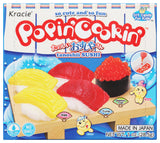
Kracie Popin' Cookin' Sushi Candy Kit – Mess-Free Edible Craft for Children Ages 6-12, Water-Based Fun with No Oven or Sharp Tools
Kracie Popin' Cookin' Sushi Candy Kit – Mess-Free Edible Craft for Children Ages 6-12, Water-Based Fun with No Oven or Sharp Tools
Couldn't load pickup availability
Why you'll love it
- No-bake, water-based preparation means no oven, stove, or sharp tools needed—safe for kids
- Interactive dropper technique turns liquid into caviar-like spheres, delivering a satisfying 'wow' moment
- Combines crafting, science, and snacking into one engaging experience that holds children's attention
- Compact 1-ounce single-serve kit keeps mess contained and makes portioning easy
- Novelty factor stands out from typical candy or craft toys as a memorable, share-worthy experience
- Authentic Japanese Popin' Cookin' brand taps into kids' curiosity about international treats
Perfect for
- Hands-on candy-making activity for kids on rainy days or weekends
- Birthday party activity or loot bag favor for a sushi-themed party
- Stocking stuffer or small novelty gift for children
- Cultural education activity introducing kids to Japanese food aesthetics
- Interactive play that combines crafting with edible results
Experience the fun of making your own candy sushi with the Kracie Popin' Cookin' DIY Candy Sushi Kit! This no-bake kit allows you to create delicious and adorable candy sushi rolls.
- DIY Candy Sushi Kit
- No baking required
- 1 Ounce pack
This Kracie candy sushi kit is perfect for snack time or as a creative treat for parties. Each pack contains everything you need to craft your own sweet version of traditional Japanese cuisine.
- Manufacturer: Kracie
- Allergen Information: Dairy
- Packaging: Packet
- This product is not suitable for children under a certain age. Made in the US with high-quality ingredients, this DIY candy sushi kit is sure to delight both kids and adults alike.
Frequently Asked Questions
Is the Kracie Popin' Cookin' Sushi Kit safe for my child to use without supervision?
Yes. The kit uses a water-and-powder system that requires no oven, stove, microwave, or sharp utensils. The included dropper is plastic with a rounded tip designed for small hands, making it a parent-friendly activity for kids ages 6 and up. An adult can help with reading the Japanese instructions, but the hands-on steps are designed to be kid-led.
Why doesn't this candy kit need any cooking or heating?
The Kracie Popin' Cookin' system uses flavored powders, gelling agents, and calcium solutions that react at room temperature when combined with water. The included dropper lets kids drip liquid into a bath to form tiny caviar-like spheres (spherification), so the 'cooking' happens chemically rather than with heat. That means no burn risk on the stove, no microwave, and no hot surfaces.
How does the dropper actually create the little salmon roe balls?
The dropper draws up a flavored liquid and releases it drop-by-drop into a calcium-water bath. Each drop forms a delicate skin on contact and holds a soft center, mimicking real ikura. Kids love watching the spheres build up in the tray, and the resulting 'pop' texture is the highlight of the kit.
Will this keep my child busy on a rainy weekend?
Absolutely. The kit combines three mini activities—forming tuna, tamago, and ikura sushi—plus optional chirashi-zushi styling, which typically keeps kids engaged for 30 to 60 minutes. Because the final product is edible, it blends crafting, science, and snacking into one session that holds attention longer than a standard coloring set or puzzle.
Is the mess contained so it doesn't ruin my kitchen counter?
Yes. Everything happens inside the included plastic tray and molds, and the kit is a single 1-ounce serving, so portions are small and waste is minimal. We recommend laying down a paper towel or placemat, but most parents find cleanup is as simple as tossing the tray and wiping the counter with a damp cloth.
What age is this DIY sushi candy kit really best for?
The packaging and step complexity make it ideal for children ages 6 to 12. Younger kids can participate with a parent handling the dropper drops, while older kids can complete the kit independently. Because instructions are in Japanese with pictograms, pre-readers may need a grown-up to walk them through the sequence.
Can multiple kids share one kit or do I need to buy one per child?
Each box is a single 1-ounce serving, so for siblings or playdates we recommend one kit per child so each kid can build and decorate their own sushi. The price point makes this affordable, and many parents buy a multi-pack so every child at the table has their own tray.
Is this safer than letting my kids play with real food in the kitchen?
In many ways, yes. There's no knife work, no raw fish, no hot pans, and no cross-contamination risk. All ingredients are pre-measured candy powders sealed in sachets, and the finished pieces are not intended to look or taste like real sushi—it's a candy craft, not a cooking lesson with perishables.
Does the kit contain any common allergens I should know about as a parent?
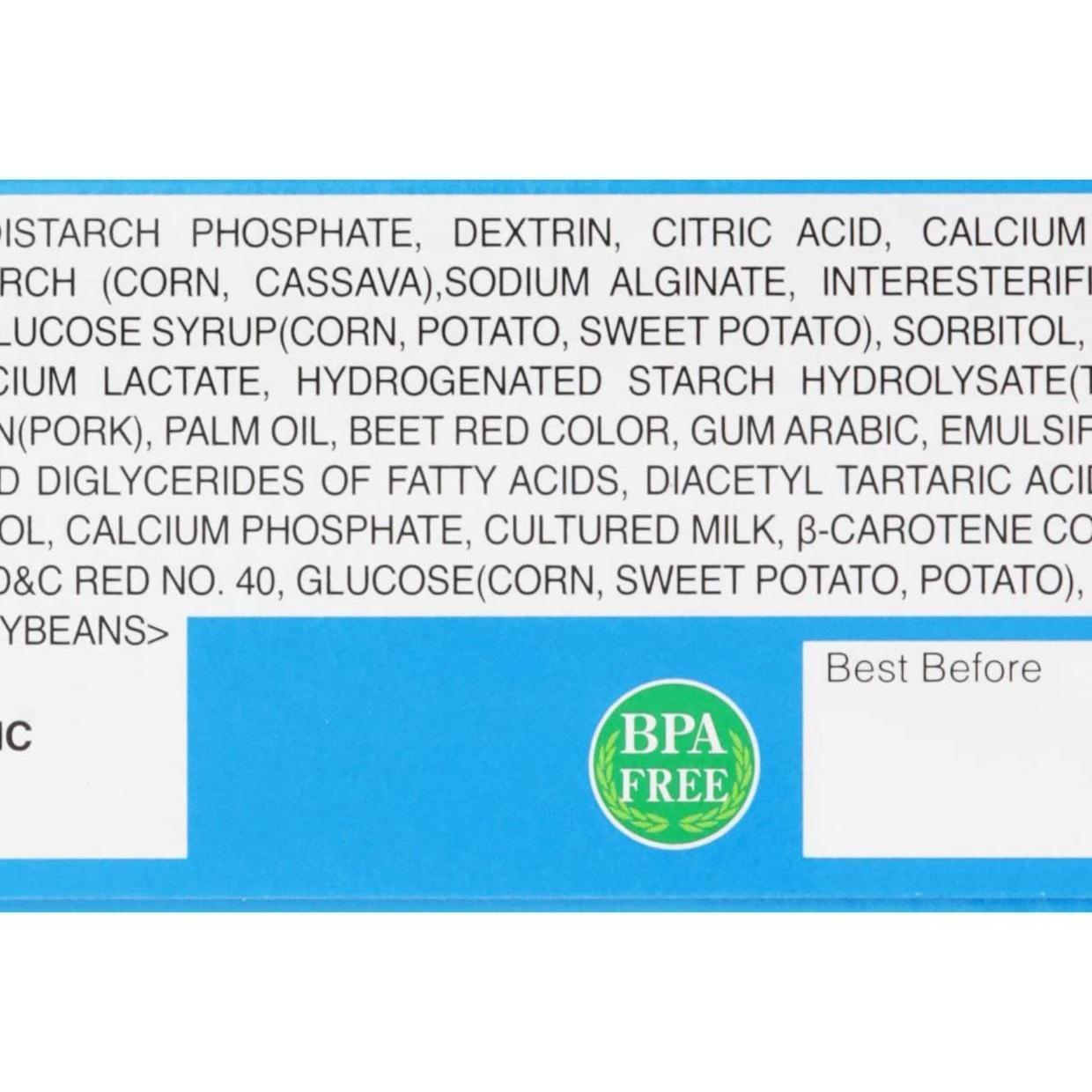
Kracie Popin' Cookin' products typically contain gelatin (derived from pork or beef), sugar, starch, and food colorings, and are manufactured in facilities that may also handle dairy, soy, and wheat. Always check the latest ingredient list on the package before serving, especially if your child has dietary restrictions or allergies.
Will my child actually eat the finished candy or just play with it?
Most kids do both, which is part of the appeal. The finished nigiri and roe are fully edible gummy-style candy, and the soy sauce packet is a sweet candy syrup that mimics the look of soy sauce. Some children proudly show their creations to a parent before eating, treating it as a full pretend-play-to-snack experience.
I'm worried the instructions are all in Japanese—will my child be able to follow them?
That's a very common concern, and the kit is designed with pictograms and numbered steps so kids can follow along visually even without reading Japanese. Many parents and online reviewers also share step-by-step English walkthroughs, so a quick search can give you a simple guide to follow together the first time.
Is the included dropper a choking hazard for younger siblings?
The dropper is a single molded piece, but for households with children under 3, we recommend supervising the activity and storing the kit out of reach afterward, as the small spheres, sachets, and plastic molds can pose a choking risk for toddlers. The kit is officially recommended for ages 6 and up for this reason.
Why would I pick this over a regular arts and crafts toy?
Unlike a craft that ends up on the fridge, this kit produces something kids can actually eat, which adds an extra reward and a memorable 'wow' moment. It also introduces basic food-science concepts like gelling and spherification, so it doubles as a quiet STEM activity in addition to a creative one.
Can I use this in a classroom or camp setting with a group?
Yes, it's popular with educators and camp counselors for food-science and cultural units. Because each kit is single-serve, you can hand one to each child and avoid shared ingredients. For groups of 10 or more, buying in bulk packs keeps the per-child cost low and the mess contained to individual trays.
What if my child loses interest halfway through—does the kit still work later?
The candies and powders are best used fresh, but if your child pauses, the sachets can be resealed and the activity resumed within a few hours. Once the spheres are made and the candy is assembled, it's meant to be eaten the same day for the best texture, so we don't recommend saving finished pieces overnight.
Is the surface of the kit cool enough that a child won't get burned?
Yes. Because no heat is involved at any stage, the trays, molds, and dropper stay room-temperature throughout. There is no stove, no warm water bath, and no melted wax or chocolate, so there's nothing hot for little hands to touch.
How do I make the Kracie Popin' Cookin' Sushi Kit step by step?
Open the box and lay out all sachets and tools. Mix the alginate powder with water in the round tray to create the calcium bath. Use the dropper to draw up the flavored 'roe' liquid and drip it slowly into the bath; let the spheres set for a few minutes, then scoop them out with the slotted spoon. Next, mix the tuna powder with water in the tuna mold and press the included seaweed sheet on top to make the nigiri base. Repeat with the tamago (egg) powder for the second piece. Arrange the nigiri on the tray, top with the roe spheres, and finish by drizzling the included 'soy sauce' candy syrup over the top. Detailed English walkthroughs are also widely available online if you want visual guidance.
Do I need to buy anything extra to complete the kit?
You only need a small amount of clean tap water, a spoon for mixing (a kitchen spoon is fine), and a flat surface to work on. The box includes the alginate and calcium sachets, all three flavor powders, the seaweed sheets, the dropper, the slotted spoon, the plastic tray, and the soy sauce candy packet. No oven, microwave, or specialty tools are required.
How long does the whole activity take from start to finish?
Most kids finish in 30 to 45 minutes, including a short wait for the spheres to set in the calcium bath. Younger children working with a parent may take closer to an hour, while older kids familiar with the kit can complete it in about 25 minutes. The finished candy is best eaten within an hour or two of assembly for the freshest texture.
Is this kit compatible with other Kracie Popin' Cookin' kits?
Yes. Kracie makes a whole line of Popin' Cookin' kits (hamburger, pizza, ramen, cake, etc.), and the trays, droppers, and tools are similar in size and shape. You can mix and match kits for a themed party, and the soy sauce packet from the sushi kit works as a fun 'topping' for any of the savory-style kits like ramen or gyoza.
Can I use the included dropper with other candy-making kits I already own?
The dropper is a standard small plastic dropper that works with any liquid-based candy or craft kit. It's also handy for kids' science experiments, like making balsamic pearls or simple bubble art. If your original dropper from another kit is lost or worn, this one is a perfect replacement.
What exactly comes in the box when I unbox the kit?
Inside the 5.8 x 5.1 x 1.8 inch box you'll find: an instruction sheet (in Japanese with pictograms), a plastic serving tray, a plastic dropper, a slotted mini-spoon, sachets of alginate powder, calcium lactate powder, tuna flavor powder, tamago (egg) flavor powder, ikura (salmon roe) flavor liquid, two mini seaweed sheets, the nigiri molds, and a small soy sauce candy packet. Everything is pre-portioned for one serving.
Is the candy in this kit safe to eat?
Yes. The kit is a food product, not a toy, and all powders and syrups are made from food-grade ingredients like sugar, starch, gelatin, gelling agents, and food colorings. It's manufactured by Kracie, a major Japanese confectionery company, and meets Japanese food-safety standards. As with any candy, avoid it if your child has allergies to the ingredients listed on the package.
How long is the shelf life, and can I store leftover sachets?
Unopened, the kit has a shelf life of roughly 12 to 18 months, so it's fine to buy in advance for a future birthday or holiday. Once a sachet is opened, the powders can dry out or clump, so we don't recommend saving partial sachets for another day. If you buy a multi-pack, keep the unopened boxes in a cool, dry place away from direct sunlight.
What's the difference between a DIY candy kit and a regular gummy candy?
A regular gummy candy is just something you eat, whereas a DIY candy kit like this one involves the eater in the creation process. You mix powders, use a dropper to form spheres, and assemble the final piece, which adds crafting and food-science value on top of the snack. The result is still a gummy-style candy, but the experience of making it is the main draw, especially for kids who enjoy hands-on activities.